AB Restoration Springfield Township
Springfield Township โ€ข NJ

Water Damage Restoration in Springfield Township.

Emergency water extraction, structural drying, and full reconstruction after pipe failures, appliance leaks, and storm intrusion.

Local team in Springfield Township Honest, transparent pricing 24/7 emergency line
โ˜…
Equipment Industrial extraction + drying
โ˜…
Documentation Daily logs adjusters approve
โ˜…
Trades Reconstruction handled in-house
Service Overview

How We Approach It

Cat-1 clean water, Cat-2 grey water, Cat-3 contaminated โ€” each calls for a different protocol per IICRC S500. Our {{city}} dispatch confirms the loss type on the call so the truck arrives equipped for the actual job, not guessing on arrival.

What's Included

  • 24/7 emergency dispatch
  • Truck-mounted extraction
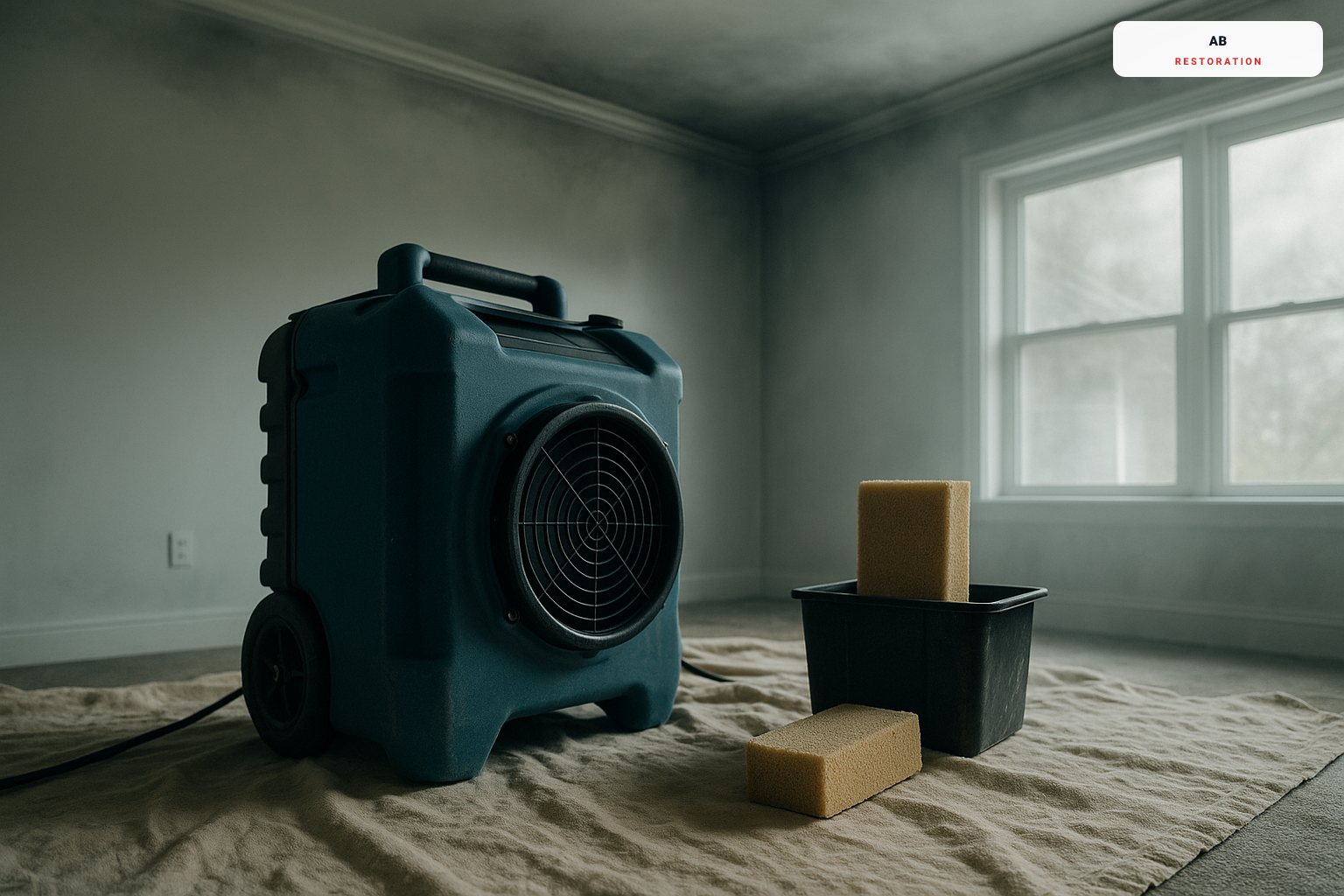
  • Industrial drying equipment
  • Daily moisture documentation
  • Insurance scope-aligned reconstruction
  • IICRC S500 protocol

Why Cutting Drying Short Is the Most Expensive Mistake

The single most common pattern that turns a $5,000 mitigation into a $40,000 mold remediation: a contractor who says "looks dry, we are done" at day three when the meter still reads above standard. Six weeks later, mold growth appears behind the wall, the carrier opens a separate claim or denies it as "improper drying," and the homeowner pays out of pocket.

Our protocol: equipment runs until every monitored substrate hits the dry standard documented for that specific material. If readings stall โ€” which happens for hardwood + dense materials โ€” we reposition equipment, add desiccant dehumidification if needed, and extend the run. Average residential job: 3-5 days. Hardwood-heavy jobs in older {{city}} homes: sometimes 7-10 days. We give an honest timeline at the start and update if conditions change.

What this means for your insurance claim: every day of drying gets logged with equipment count + moisture readings. Adjusters see a complete record. No questions later about whether the job was completed properly. Mold prevention happens during drying โ€” not after โ€” and the documentation backs that up.

How Water Damage Restoration Actually Works

The work breaks into three distinct phases: extraction, drying, and reconstruction. Each phase has clear technical standards that good restorers follow and bad ones cut corners on. Knowing what to expect at each stage is the difference between a smooth claim and a months-long argument with the carrier.

Extraction. Standing water gets removed first with truck-mounted vacuum equipment. Visible water on hard surfaces is the simple part. The bigger job is pulling moisture out of carpet pad, subfloor, and the inside of wall cavities. We use weighted rovers, water claws, and probe meters to confirm what is wet underneath the surface.

Drying. Industrial air movers create cross-ventilation across affected materials while LGR dehumidifiers pull moisture out of the air. We map moisture readings every 24 hours and reposition equipment based on what is actually drying versus what is stalled. Standard residential drying runs 3 to 5 days. Cutting it short is how mold problems start six weeks later.

Reconstruction. Drywall, flooring, paint, and trim are restored to pre-loss condition. Same crew, one phone number, one accountable team from first call to final walk-through. The Xactimate scope from mitigation maps directly to the rebuild scope โ€” no separate negotiation with a different contractor.

Process

Our Process

  1. 01

    Initial Inspection

    Moisture mapping with calibrated meters. Photo documentation. Cause-of-loss narrative. Loss category assignment per IICRC S500.

  2. 02

    Source Control + Containment

    Confirm water source is fully off. Isolate affected area with plastic sheeting + negative air pressure. Contaminated materials removed to documented flood line.

  3. 03

    Structural Drying

    Air mover placement calculated for affected square footage. LGR dehumidifier capacity matched to interior volume. Continuous monitoring until moisture content returns to baseline.

  4. 04

    Mold Prevention

    EPA-registered antimicrobial applied to substrate that contacted contaminated water. HVAC system inspection if water entered the air handling system. Final clearance confirms no microbial activity.

  5. 05

    Reconstruction to Pre-loss Condition

    Materials matched to pre-loss specification. Workmanship guarantee documented in the contract. Walkthrough with written punch list before final invoice.

The difference

Why Customers Choose Us

Real reasons. No invented stats, no manufactured awards.

  • 01
    โœ“

    Owner-Led Operations

    Direct access to the owner during your project, not a project-coordinator buffer. Decisions get made fast. Issues get resolved without waiting for a callback from someone who has to "check with the boss."

  • 02
    โœ“

    Documented Drying, Not Guessed

    Calibrated moisture meters on every wet substrate, daily readings logged, equipment repositioned based on what is actually drying. We close the mitigation phase only when readings return to dry-standard for each material.

  • 03
    โœ“

    Built For Springfield Township Properties

    Older NJ housing has galvanized supply lines, plaster walls, original hardwood, and the kind of architectural detail that has to be preserved through any restoration job. We know what we are walking into.

Service Area

Serving Union County

Our Springfield Township dispatch covers a tight radius across Union County. The compact service area is intentional โ€” restoration work scales with response time, and minutes save material. Summit, Mountainside, and Millburn all reach inside 30 minutes during normal traffic.

Counties Covered

  • Union County, NJ

Cities We Service

Each Union city below opens a local page with arrival times from our Springfield Township base and the loss patterns we handle most often in that municipality.

Not sure if you're in our area? Call 908-560-5345 and we'll tell you in 30 seconds.
FAQ

Frequently Asked Questions

If you don't see your question, just call or message us.

How fast can you respond to an emergency in Springfield Township? +

For active emergencies in Springfield Township, our standard target is on-site within the hour during normal traffic conditions. We dispatch 24/7 โ€” a real human answers the phone, gets the address and loss type, and a truck rolls while we are still on the call with you.

Do you work directly with my insurance company? +

Yes, with your authorization. We work with NJM, State Farm, Allstate, Liberty Mutual, Travelers, Progressive, and most other carriers serving NJ. Get the claim number from your carrier first if you can; with that we can talk to your adjuster directly and bill the carrier rather than you.

How long does drying take after a water loss? +

Three to five days for a typical residential water loss. Hardwood floors and dense materials can take longer โ€” sometimes 7-10 days. We monitor with calibrated moisture meters daily and only stop drying when readings return to dry-standard moisture content for the materials in your home.

Will my floors and walls have to come out? +

Often less than people expect. Category-1 (clean supply-line) water that we reach inside 24-48 hours can usually be dried in place. Category-3 (sewage, river, ground intrusion) is different โ€” IICRC S500 protocol requires removing porous materials those waters contacted. We cut to a documented flood line and replace what comes out.

How do you make sure mold does not come back? +

Mold prevention happens during drying, not after. We hold the structure under controlled airflow until moisture meters confirm wood, drywall, and substrate are back inside the manufacturer-approved dry range. Anything porous that absorbed contaminated water comes out. Surfaces receive a registered antimicrobial before reconstruction. We also pull access panels and inspect HVAC ductwork if water tracked into the system.

Are you open weekends and holidays? +

Emergency dispatch is 24/7/365 including all holidays. Reconstruction work and consultations follow business hours but we can adjust for client schedules.

What is the difference between water damage and flood damage? +

Water damage is sudden and accidental โ€” pipe burst, appliance failure, storm intrusion through a damaged roof. Flood damage is rising surface water from outside the structure. Standard homeowners insurance covers water damage. Flood requires separate NFIP flood insurance. We document the source clearly so the right policy pays the claim.

Call Now โ€ข Springfield Township

Need Restoration in Springfield Township? One Call Gets a Crew Moving.

One phone call gets a truck rolling. Real Springfield Township team, real local response time, no automated phone tree. We'll be on site fast.

๐Ÿ“ž Call 908-560-5345